All Categories
Featured


Maintaining Worn Hardwood and Rug Zones
Table of Contents
Constantly follow manufacturer dilution instructions, typically one ounce per gallon or less for neutral solutions. After using disinfectants above 2 ounces per gallon, follow up with a tidy water rinse. The right tools make the distinction between surface-level outcomes and a truly tidy facility. Best for day-to-day dry cleaning on all difficult surface areas.
Walk-behind and ride-on models for medium to large centers. These apply item, upset, and gather unclean water in one pass. Buffers operate at lower speeds for removing and extensive cleansing.
Stains Coming Back After CleaningYour flooring care team must match devices to each surface and center size. A 2,000-square-foot office requires different tools than a 50,000-square-foot warehouse. Preventing dirt from reaching your surface areas is the most cost-efficient method available. Industry standards recommend entrance matting that extends inside each doorway, with width matching the complete door opening.
The CDC advises appropriate disinfection of busy typical areas in facilities where infection control matters, consisting of medical workplaces, schools, and daycares. Health care and scientific centers require EPA-registered disinfectants used at manufacturer-specified dilution ratios.
Industrial and warehouse areas must preserve slip-resistant surface areas that satisfy OSHA office requirements. Multiple states, consisting of Texas, have adopted green cleaning guidelines for public structures.
It also minimizes liability direct exposure and keeps your team members focused on running the service. We construct every plan around your facility's size, surface area types, traffic patterns, and compliance requirements.
Stains Coming Back After CleaningWe use versatile scheduling, consisting of nights, weekends, and holidays, so maintenance occurs without interrupting day-to-day operations. And since we're with an, you get responsibility that nationwide franchises and one-person operations can not match. Call or ask for a quote to get a tailored prepare for your center. Frequency depends on the type of flooring and traffic volume.
Comparing DIY Vs Expert Floor Care
Intensive cleaning, such as buffing or device cleaning, must happen weekly or regular monthly. VCT flooring maintenance starts with everyday sweeping and wet mopping using a neutral pH product.
The full strip-and-wax process every 6 to 12 months removes old finish, cleans up the bare surface area, and applies fresh protective coats. A lot of centers have multiple flooring types, such as carpet in workplaces, VCT in hallways, and ceramic in toilets.

A professional partner builds a strategy that addresses every surface under one service agreement. Entryway mats capture dirt, moisture, and particles before they spread across your facility. Market guidelines advise mats extending 10 to 14 feet inside each entrance. Properly kept mats decrease tracked-in soil by approximately 80%, which directly cuts cleansing time and repair costs.
Maximizing Property Resale Value With Expert Floors
Specialized items exist for wood, natural stone, and commercial carpet. Avoid bleach, ammonia, or acidic items unless particularly advised for your surface area type, as these can damage surfaces and void manufacturer warranties. Well-kept surfaces lower slip-and-fall incidents, which are among the most typical workplace injuries. Regular flooring cleaning eliminates dangers like wet areas, wax buildup, and loose debris.
Keeping floors tidy is a big obstacle for services. One important reality is that dirty floors can turn customers away. Maintaining clean and well-cared-for floors improves an organization's look and communicates professionalism.
A well-maintained flooring makes a strong first impression on clients and contributes favorably to an organization's image. Floors last longer when they get regular deep cleanings, reflecting the worth of a financial investment in quality flooring care.

Latest Posts
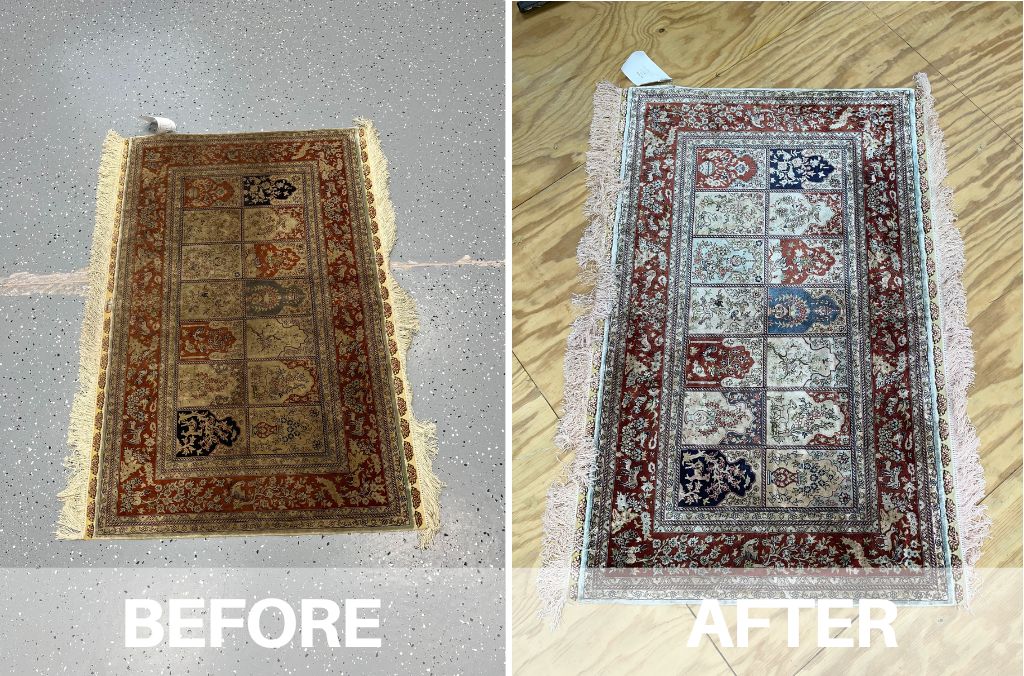
Effective Care Tips for Modern Area Rugs
Maintaining Worn Hardwood and Rug Zones

Why Deep Extraction Reduces Household Allergens